Regulatory Influences on Bonus Distribution and Mobile Accessibility in Switzerland's Online Gambling Sector
Morgan Brooks · Aug 22, 2026
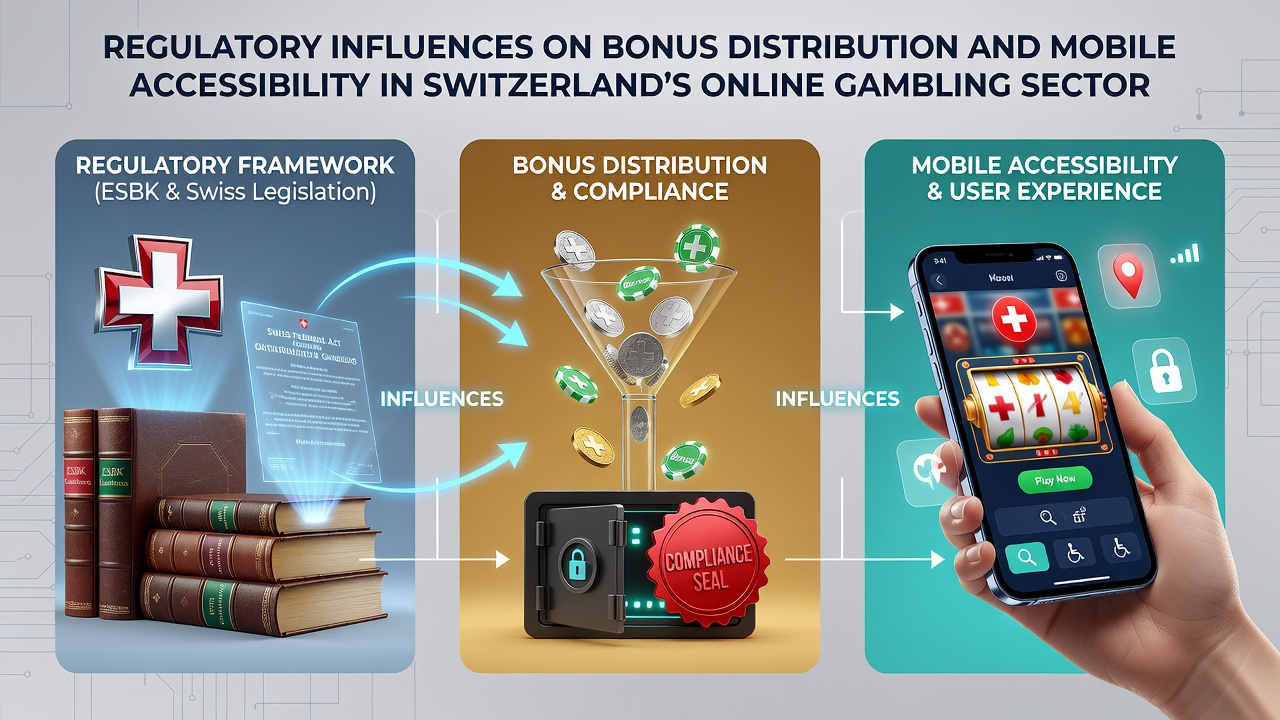
Regulatory Influences on Bonus Distribution and Mobile Accessibility in Switzerland's Online Gambling Sector
Switzerland maintains a structured approach to online gambling through federal legislation that shapes how operators handle bonus distribution and mobile access, with rules designed to align with consumer protection standards while supporting licensed market participation. The Federal Act on Games of Chance, effective since 2019, requires all online platforms to obtain cantonal or federal approval before offering services, which directly affects promotional mechanics and device compatibility requirements.
Core Regulatory Framework Governing Online Gambling
Under the current system, the Swiss Federal Gaming Board oversees licensing for casinos and large-scale operators, whereas smaller lotteries fall under cantonal authorities, creating a dual oversight model that enforces uniform standards across bonus offerings and mobile interfaces. Data from regulatory filings indicate that licensed entities must adhere to strict transparency rules for all player incentives, limiting bonus structures to prevent excessive wagering and ensuring that terms remain clear in both desktop and mobile environments.
Operators seeking approval must demonstrate compliance with age verification protocols and responsible gaming measures, which extend specifically to mobile applications where user sessions often occur outside traditional monitoring windows. Research from Swiss academic institutions shows that these layered requirements have led to standardized bonus caps and mandatory disclosure formats that apply equally whether players access games via smartphone or tablet.
Bonus Distribution Rules and Their Implementation
Bonus distribution faces direct constraints under Swiss rules that prohibit certain welcome offers common in less regulated markets, requiring instead that any promotional credits tie to verifiable playthrough conditions and exclude specific game categories to reduce risk exposure. Licensed platforms report bonus activity through periodic submissions to oversight bodies, allowing authorities to monitor patterns and adjust guidelines as market data accumulates through 2025 and into the following year.
By August 2026, updates to reporting templates are scheduled to take effect, compelling operators to provide granular breakdowns of bonus redemption rates across mobile and desktop channels separately. This change stems from earlier analyses that identified discrepancies in how incentives perform on smaller screens, prompting regulators to refine distribution protocols accordingly. Those who've examined compliance records note that such adjustments encourage operators to redesign bonus eligibility criteria with mobile user behavior in mind from the outset.
Mobile Accessibility Standards and Compliance Measures
Mobile accessibility requirements emphasize secure authentication methods and real-time transaction logging that match the rigor applied to fixed-location platforms, ensuring that players on the go receive the same safeguards against unauthorized access or underage participation. Technical specifications mandate responsive design elements alongside backend controls that block certain bonus features if device geolocation or network signals indicate potential regulatory conflicts.
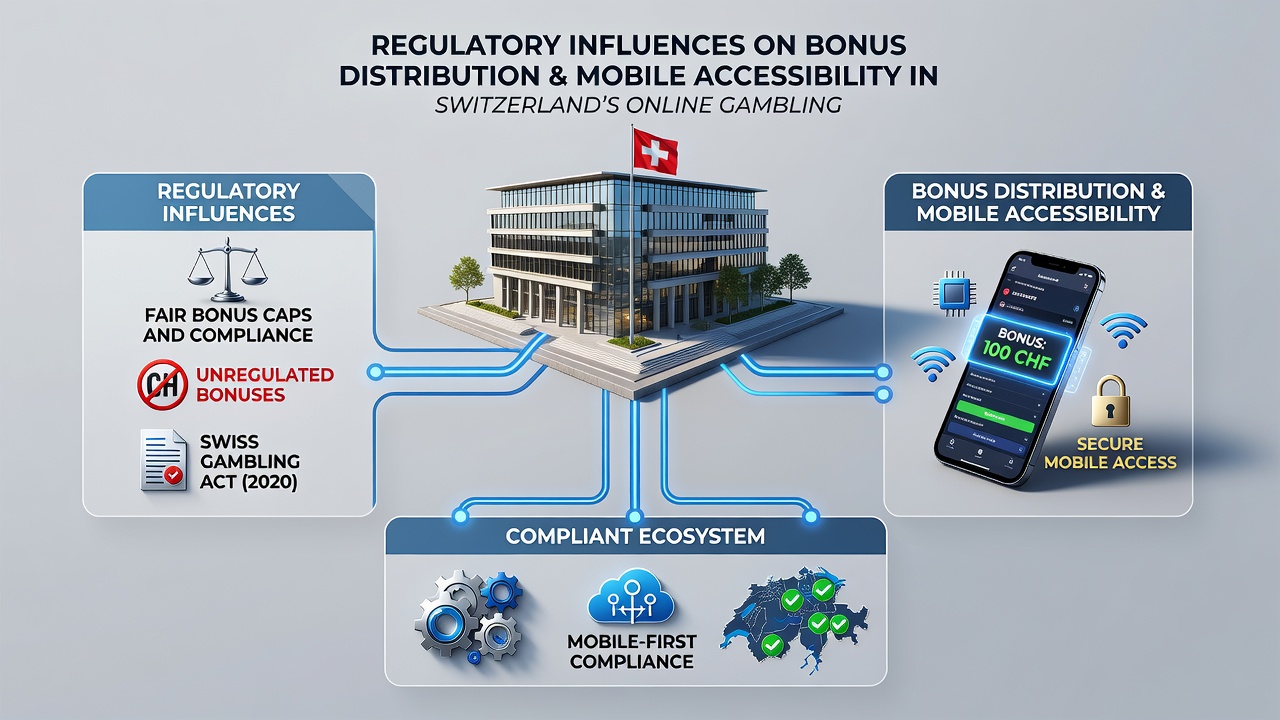
Industry reports compiled by European gaming associations highlight that Swiss operators have invested in adaptive interfaces capable of displaying bonus terms dynamically based on user device type, reducing instances of incomplete disclosures that previously triggered enforcement actions. Figures reveal steady growth in mobile traffic among licensed Swiss sites, yet regulators continue to evaluate whether current accessibility rules adequately address emerging technologies such as app-based wallets and push notifications tied to promotional offers.
Interactions Between Bonus Policies and Mobile Platforms
The intersection of bonus policies and mobile platforms creates specific operational challenges because many incentive programs rely on session tracking that can differ significantly between desktop browsers and mobile apps. Regulators have responded by requiring separate approval pathways for mobile-optimized promotions, which must demonstrate equivalent consumer protections including spending limits and self-exclusion integration regardless of access method.
One study conducted by a Canadian research institute on cross-border regulatory comparisons found that Switzerland's approach results in fewer disputes over bonus eligibility when operators implement unified backend systems that apply identical rules across all devices. Observers note that this consistency supports smoother market entry for new licensees while maintaining the integrity of the overall framework.
Upcoming Adjustments and Market Implications
Scheduled refinements ahead of August 2026 include enhanced data-sharing agreements between federal adn cantonal bodies to better track how bonus distribution evolves alongside mobile usage trends. These measures aim to close gaps identified in prior audits without introducing new licensing categories, instead focusing on tighter integration of existing compliance tools.
Evidence suggests that operators already preparing for these updates are testing mobile-specific bonus formats that align with forthcoming reporting standards, ensuring continuity in player engagement while meeting expanded transparency obligations. Such preparations reflect broader patterns observed in regulated European markets where similar device-agnostic rules have become standard practice.
Conclusion
Switzerland's regulatory structure continues to shape bonus distribution and mobile accessibility through precise licensing conditions and ongoing data collection efforts, with targeted updates planned for 2026 that will further standardize reporting across platforms. Licensed operators navigate these requirements by aligning promotional strategies and technical implementations with federal guidelines, producing a market environment where compliance drives both incentive design and device compatibility decisions.